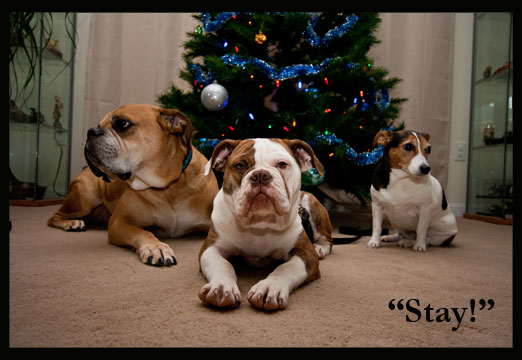
Dog training in Milton Ontario, dog training in Milton, dog trainer in Milton Ontario, dog trainer in Milton, puppy training in Milton, puppy class in Milton, Milton Ontario dog training, dog training articles, dog training tips and dog training techniques, common sense dog training, dog training for the average dog owner,
Showing posts with label best dog trainer in milton ontario. Show all posts
Wednesday, June 3, 2015
Beginner Dog Training Classes in Milton - Best Dog Trainer Milton
Smart Dogs Canine Training Basic Obedience Classes are starting this month! This is a MUST HAVE class.
We get wonderful results, you get lots of information, skills and better communication with your dogs. We focus on engagement, response and fun.
Class runs for 7, one hour sessions, cost is $220.00 plus HST.
Start dates:
Thursday June 25th, 7-8pm
Saturday June 27th, 10-11am
For dogs/puppies 18 weeks and up, all breeds. All shots are required in order to join this class.
If you would like to sign up, please contact us at dogtraining101@hotmail.com or visit the website at www.smartdogsk9.com
Like us on facebook as well www.facebook.com/smartdogsk9
Classes take place at the Fairgrounds, downtown Milton.
Tuesday, January 13, 2015
Indoor Activities to Get Your Dog Through the Cold Days - Dog Trainer Milton
Well the cold snap is back again, and there are lots of times in the extreme cold that we do not want to take our dogs out long. So what do do about exercise?
There are many different ways to keep your dog active over the winter months, indoors, large or small.
Number one is practice the training you have started with your dog - set aside 10-20 minutes and go over your sits, downs, stays, comes and heeling. Work on perfecting it under low distraction in your home. When you work your dogs mind alongside their body, they use more energy, feel more satisfied, and I always note that when you do "mind work" in addition to body work, the dogs get way more of a workout.
Number two, teach your dog some new commands and/or tricks. Anything they can learn, no matter how silly it may seem, will benefit your canine companion in both the communication and brain work department. Use their meals as the perfect time to teach new things - get them working for their supper!

Number three, and an awesome one I play frequently, teach your dog to "find". This is a great game if you don't have an area to play fetch in your house. The dog can be either toy or food motivated. Start by having someone hold the dog , or put them in a sit stay, and hide a toy as they watch. Upon release, tell them to "find it". Repeat this process multiple times until the dog catches on to the meaning of the command. Once they do, have them stay or be held in another room or out of view. Hide the toy or treat, go back to them, release and tell them to "find it". You can help if they get stumped. This is a great game for both mind and body work, and fun, fun, fun for drivey dogs.
Number four, if you have the space for fetch, bows the time to teach them in a controlled setting to "fetch" and "give". If your dog isn't a natural fetcher, start on leash . With this game, and with the below game, your dog needs to be taught a proper "give " or "drop it".
And number five, tug! Yes, I said it, and don't believe those that would refrain from having your dog play tug. It's a great game, and can be used to teach self control. Rules need to be implemented, and as above, your dog needs to be taught a solid "give" or "out" before fully engaging, and they should be able to show some self control without re-biting when you've paused. Patience is key, you can work the trade off (tug for treat or other toy), when teaching "give", or you can work the statue (hold very still, with tug against your body, hands on both sides, wait for release, then reward). Key is to be fun while engaging and calm when teaching the "give". This game still offers both mind and body work, gets the heart rate up, and you can throw some obedience or tricks into the game.
There are other ways to keep your dog active is the freezing whether, but these are our favourites that we wanted to share.
Most importantly, Have fun with your dogs!!
Wednesday, February 26, 2014
Beginner Dog Training Classes in Milton Starting in March
Smart Dog Basics group class will help teach you how to start to gain control of your canine companion under distraction with all of the basics of obedience - come, stay, sit, down, heel. We also save time for question and answer including topics like house training, crate training and other "typical doggy issues". This is A MUST for all dogs, the most important class that you need to take! This is a one size fits all class, all ages, all breeds and all sizes welcome!
Class runs for 7 weeks, one hour once a week, cost is $200 plus HST. Puppies & dogs are required to have all shots.
Thursday evenings starting March 20th, 7-8pm (2 spots left)
Saturday mornings starting March 29th, 10-11am (4 spots left)
Please contact us to sign up dogtraining101@hotmail.com or visit the website for details www.smartdogsk9.com
Thursday, October 17, 2013
Thursday Evening Dog Obedience Classes in Milton
We will have another Smart Dogs Basic Class running Thursday evenings starting November 7th, 7:30-8:30pm.
This class helps you teach your dog all of the basics (sit, down, stay, come, heel) in a group environment, under distraction, and emphasizes control and focus.
Class runs for 7 weeks, one hour a week, cost is $200 plus HST.
We will also have a Smart Puppy Class running Thursday evenings starting in November, 6:30-7:15pm.
This class introduces your puppy to training in a fun, positive way, emphasizing focus and self control as well as teaching the sit, down and come. We do a little socialization work as well.
Class runs for 4 weeks, 45 minutes once a week, cost is $100 plus HST.
Watch for our upcoming SMALL DOG SOCIAL GROUP in partnership with Woof Walking and Co. Details to follow soon.
Please contact us at dogtraining101@hotmail.com or visit the website for more details:
Thursday, September 19, 2013
Dog Training Classes in Milton Ontario
We've got a few classes coming up in October, two of which will be indoor, the other will be outside braving the fall elements. If you are interested in joining us for one of our group sessions, please feel free to contact us at dogtraining101@hotmail.com. We keep our classes small (4-6 max), so spaces fill quickly. Below is our October schedule:
Smart Dogs Bootcamp - Outdoors! Saturdays starting October 19th - 1:00-2:00pm, rain or shine. This is our next step after our Smart Dogs Basic Class. We travel to different locations each week, preparing your dog to respond in high distraction of the REAL WORLD. Class runs 6 weeks, cost is $180.00 plus HST. We prefer that you have taken our Smart Dogs Basic Class, but will consider those who have taken basic training at another facility. For puppies and dogs 7 months and up.
Smart Dogs Basic Class - We are now Indoors until the Spring! Saturdays starting October 26th - 10:00-11:00am. This is a MUST HAVE class. Learn all the basics and teach your dog how to work and behave around other dogs and people. Class runs 7 weeks with an 8th week test, cost is $200 plus HST. This is a class for those who have had no previous group experience or those who have taken puppy class. For puppies and dogs 5 months and up.
A Thursday evening Smart Dogs Basic class will be added soon as well.
Smart Dogs Fun Agility INTRO - Indoors! Saturdays starting October 26th - 11:30am-12:30pm. A great introduction to simple equipment, handling skills and focus. Agility is a great way to strengthen the bond with your dog, increase confidence and engagement. We do require that dogs have Basic Obedience skills to join (sit, down, stay and recall). Class runs 6 weeks, cost is $180 plus HST. For puppies and dogs 8-9 months and up.
Smart Dogs Bootcamp - Outdoors! Saturdays starting October 19th - 1:00-2:00pm, rain or shine. This is our next step after our Smart Dogs Basic Class. We travel to different locations each week, preparing your dog to respond in high distraction of the REAL WORLD. Class runs 6 weeks, cost is $180.00 plus HST. We prefer that you have taken our Smart Dogs Basic Class, but will consider those who have taken basic training at another facility. For puppies and dogs 7 months and up.
Smart Dogs Basic Class - We are now Indoors until the Spring! Saturdays starting October 26th - 10:00-11:00am. This is a MUST HAVE class. Learn all the basics and teach your dog how to work and behave around other dogs and people. Class runs 7 weeks with an 8th week test, cost is $200 plus HST. This is a class for those who have had no previous group experience or those who have taken puppy class. For puppies and dogs 5 months and up.
A Thursday evening Smart Dogs Basic class will be added soon as well.
Smart Dogs Fun Agility INTRO - Indoors! Saturdays starting October 26th - 11:30am-12:30pm. A great introduction to simple equipment, handling skills and focus. Agility is a great way to strengthen the bond with your dog, increase confidence and engagement. We do require that dogs have Basic Obedience skills to join (sit, down, stay and recall). Class runs 6 weeks, cost is $180 plus HST. For puppies and dogs 8-9 months and up.
Join us for one of our classes, and check out our website for more details:
Monday, June 24, 2013
Dog Training Class / Dog Obedience Class in Milton Ontario
Smart Dogs Canine Training will be running our in demand Smart Dogs Basic Class starting Saturday July 6th, 10-11am.
This is a MUST class for all dogs. Learn to handle your dog in a real life environment, gain control and obedience in all situations, and have fun while learning.
Commands taught are sit, down, stay, recall, place and heel.
7 weeks, 1 hour a week - cost is $200.00. Classes held at the Fairgrounds in Milton.
Join us for this very important class, space is limited so contact us through this ad to sign up or visit Smart Dogs Canine Training on the web for more information - www.smartdogsk9.com or email dogtraining101@hotmail.com to sign up.
Monday, April 15, 2013
Happy Smart Dogs Canine Training Clients - Milton Dog Training
Just wanted to share a great testimonial that we've received from some hard working clients that saw significant improvements in their dogs behaviour in just 4 sessions with us.
"We just wanted to send you an email to say thank you for helping us. We cannot believe the changes we have seen in such a short period of time and look forward to the changes we will see in the months to come with all the tools you have given us. We will definitely recommend you to anyone.
Thanks again"
- Annie & Matt, Halton Hills
If you need help with your dogs behaviour, feel free to email us at dogtraining101@hotmail.com or visit the website for more details www.smartdogsk9.com
"We just wanted to send you an email to say thank you for helping us. We cannot believe the changes we have seen in such a short period of time and look forward to the changes we will see in the months to come with all the tools you have given us. We will definitely recommend you to anyone.
Thanks again"
- Annie & Matt, Halton Hills
If you need help with your dogs behaviour, feel free to email us at dogtraining101@hotmail.com or visit the website for more details www.smartdogsk9.com
Wednesday, February 6, 2013
Private In-Home Dog Training - Milton, Burlington, Oakville, Halton
If you are looking for a more tailored approach to training your dog, or are looking to work on specific issues that you may be experiencing with your dog, private training is the way to go. Private training sessions offer the one-on-one time that you can not get in a group setting*. They give you the ability to work in your dogs regular environment (in-home and around the neighbourhood) making the training relevant to your situation, and your own personal goals can be met, rather than the goals of a class.
We offer many options for private training including puppy training, basic dog training, advanced dog training, agility and problem solving. We work around your schedule and sessions can start at anytime.
If you are interested in furthering your dogs training, please don't hesitate to contact us at dogtraining101@hotmail.com. Our goal is to help you succeed with your dog!
*I will mention that our group sessions are kept small, and we give as much one-on-one time as we can to those who need it in our group classes. Because our classes are small, you don't get lost in a corner somewhere, wondering what you are suppose to be doing.
Monday, January 21, 2013
What type of training do we use? Milton Ontario Dog Training
While we start every dog off with positive reinforcement to teach commands/positions, in the form of treats paired with praise and touch, our goal as trainers is to fade out the lure, or hint of a lure, as quickly as possible so that we can avoid a dog who will only listen when you are holding a cookie in front of their nose.
By in large, most owners don't want to have to carry a bag of treats with them where ever they go, nor do they necessarily have the time to co-ordinate such methods when family, children and work are involved. We keep our training as real to life as possible in order to accommodate those who actually have other obligations, not just their dogs. I speak from experience when I say certain methods don't fly when you're walking two dogs and a child in a stroller.
Combining both positive reinforcement, to encourage behaviours, and corrections, to discourage and proof behaviours, tends to get the quickest, and most reliable results. Of course, not all dogs are created equal, so methods must be adjusted per personality type, owner type and drives of the dog. Over all though, the goal of our training is to enable you, the owner, to gain a dog who is under control and easier to live with. We want you and your dog to succeed and we are always excited to see our clients come away with a better behaved canine companion.
Contact us today to sign up for group or private sessions dogtraining101@hotmail.com and visit our website for details www.smartdogsk9.com
Saturday, November 17, 2012
Take it ... and hold?
Just for fun, I like to torture Brandy with odd things to do. It's a challenge and she, like any other living and breathing dog, loves a challenge. This one was a strawberry challenge. See if I could get her to take and hold the berry without swallowing it hole. She passes most challenges with flying colours, and this was no exception. If you have some time, an object, and a dog, teach your dog to "take" and "hold" something. Start with a favorite toy and work from there. Your dog will appreciate the challenge.
Friday, September 7, 2012
How Not To Greet A Dog - Dog training in Milton, ON
I have found, for the most part, a good number of children will ask before petting a dog. I credit the parents for this and give them a gold star. Not all dogs are friendly, and not all dogs want to be mauled and handled by strangers and every parent should warn their child of this. Even the most friendly of dogs will not feel comfortable when over whelmed by a "friendly" child, so it is best to ask for permission before introduction.
Once past the permission step is where I see a lot people fail in their attempt at making friends with a dog, and I'm not just talking about children. For what ever reason, adults and children alike, feel the need to get "into the face" of a dog, especially smaller dogs because of the cute factor. This is absolutely the most dangerous position you can put yourself in when greeting a strange dog. The face houses the mouth, and a dogs mouth holds, well, a mouth full of teeth, if the dog is uncomfortable, those teeth can be used to let someone know how the dog is feeling.
Face to face greetings are rude, not only in the dog world, but in the human world as well. Think about how uncomfortable you feel when someone invades your personal space. Then imagine someone you don't know, running up to you, sticking their nose right against yours without your permission, out in public, telling you how adorable you are and not to worry, they are good with people. My guess is that your first reaction would be a bit of a startle reflex and then possibly some hostility. Remember, this is a stranger whom you've never met that's invading your personal space. At the least, you'll feel uncomfortable, at the most, you'll lash out. And this is exactly how dogs feel when their space is invaded, but their lash out won't be a fist, rather a bite.
Hugs and kisses are also dangeous things when it comes to strange dogs, as is overwhleming rough housing, over stimulating petting, chasing and picking up. All of these things can cause the dog to become anxious, which can trigger a bite.
The best way to approach a dog is to first ask the owner for permission, I don't care if you are an adult or a child, ask if the dog is friendly, and then relax, don't invade space, let them come to you if they want to greet. A sniff of the hand, a small strach on the chest, and if they are little, get down on their level so as not to be intimidating or overwhelming. Don't force it, and never chase a dog who doesn't want to be petted. Keep an eye out for a dog stiffening up, or otherwise showing body language that means they are anxious. Keep the greeting short, calm and non-threatening, then move along.
So think before you pet, and don't invade personal space if the dog is uncomfortable, even if the owner says they are friendly. And NEVER EVER put your face into the face of a strange dog.
Once past the permission step is where I see a lot people fail in their attempt at making friends with a dog, and I'm not just talking about children. For what ever reason, adults and children alike, feel the need to get "into the face" of a dog, especially smaller dogs because of the cute factor. This is absolutely the most dangerous position you can put yourself in when greeting a strange dog. The face houses the mouth, and a dogs mouth holds, well, a mouth full of teeth, if the dog is uncomfortable, those teeth can be used to let someone know how the dog is feeling.
Face to face greetings are rude, not only in the dog world, but in the human world as well. Think about how uncomfortable you feel when someone invades your personal space. Then imagine someone you don't know, running up to you, sticking their nose right against yours without your permission, out in public, telling you how adorable you are and not to worry, they are good with people. My guess is that your first reaction would be a bit of a startle reflex and then possibly some hostility. Remember, this is a stranger whom you've never met that's invading your personal space. At the least, you'll feel uncomfortable, at the most, you'll lash out. And this is exactly how dogs feel when their space is invaded, but their lash out won't be a fist, rather a bite.
Hugs and kisses are also dangeous things when it comes to strange dogs, as is overwhleming rough housing, over stimulating petting, chasing and picking up. All of these things can cause the dog to become anxious, which can trigger a bite.
The best way to approach a dog is to first ask the owner for permission, I don't care if you are an adult or a child, ask if the dog is friendly, and then relax, don't invade space, let them come to you if they want to greet. A sniff of the hand, a small strach on the chest, and if they are little, get down on their level so as not to be intimidating or overwhelming. Don't force it, and never chase a dog who doesn't want to be petted. Keep an eye out for a dog stiffening up, or otherwise showing body language that means they are anxious. Keep the greeting short, calm and non-threatening, then move along.
So think before you pet, and don't invade personal space if the dog is uncomfortable, even if the owner says they are friendly. And NEVER EVER put your face into the face of a strange dog.
Monday, July 16, 2012
Motivators and Training - Dog Trainer in Burlington and Milton
There are a number of different motivators that we can use when training our dogs. Motivators are the driving force that makes the dog want to work for us. In sport dog training, a dog with high drive for food, play or prey, makes treats, toys and tugs excellent motivators for performance. These motivators tend to keep these dogs "in drive" meaning that you are going to get a quick, intense, upbeat, flashy performance utilizing these tools. Corrections, voice, touch, play and social interaction are also motivators, but on a bit of a different level. Pairing different motivators together is what gives us reliable results both in the performance arena, at home, or where ever you and your dog may be.
Sometimes though, the motivator is too much for the dog to handle, and you're left with a sloppy, excited mess at the end of the leash. And it is not just the use of food that entices this intense behaviour. There are many dogs who are extremely motivated by touch and social interaction, that fall apart completely when their owners give them a rousing "good boy!!! oh such a good boy!!!". Timing and self control also become an issue when the motivator is so highly coveted that the dog becomes giddy thinking about it.
The key to utilizing the motivator is feel out the intensity used by the owner to deliver that reward, be it treats, praise, tugs etc. It is also our job as trainers to determine what works best for each individual dog. If you have a dog that is nuts for balls, but will work for a treat reward or praise, use the treat or voice instead of the ball to tone down the energy level until the dog has built up enough self control to work for the toy that drives them to the edge.
Self control is a whole topic unto it's own, but it is something that is extremely important for dogs to learn, and until your dog learns self control, don't use over-the-top rewards or techniques that cause the dog to "loose their mind". If you get to that point with your dog, he or she is no longer learning because they are so ensconced with the reward that nothing else really matters.There is also another side to the motivators that causes dogs to lack drive, lack interest and lack the joy of wanting to work for their owners. Usually this comes with the sole use of punishment based training, the incorrect use of voice/petting for reward when training (too much or too little) or the incorrect steps to wean the dog off of the food/toy lure. All of these can reduce the performance in your dog and create unreliable, lackluster results.
Do we really need motivators that put the dog in "drive" for pet dog training? The average dog owner doesn't need a flashy, high energy performance when asking their dog for a down stay on the front lawn. They don't need the dog "in drive" to perform basic obedience commands at home. They don't need to have a dog that displays controlled insanity when asked to sit. They don't want to have to try and control the energy level that comes with certain motivators. Most owners just want reliability, without the intense energy level that can be brought on by certain motivators. This is where we need to take another look at the motivator currently being used and adjust strategies accordingly if your dogs drive for the reward it too high.
Pairing motivators such as treats, voice and corrections together, once the dog understands what is beinig asked, tends to offer a very reliable result, with just enough drive to get quick response, but not enough drive to bring the dog over the edge. Pairing motivators in this way allows trainers to fade the food reward and replace it with voice/praise/petting, so food no loner is relied upon for commands. As well, pairing guiding corrections can help tone down any incorrect or high intensity responses, let the dog know that he or she needs to comply and give the dog a clearer picture of what is being asked, creating a calmer thought process for the dog. (There are steps to be taken when utilizing the corrections for obedience training, and the dog needs to understand what we are asking of them before corrections are added in order to be fair to the dog during the learning process.)
Experient with your dog - find out what works by testing different motivators in non-distracting settings to see how your dog responds. If you want to advance your dogs training, are interested in sport training or just want a reliable response from your pet, feel free to contact Smart Dogs Canine Training to help guide you along the way dogtraining101@hotmail.com.
Friday, June 8, 2012
But My Dog Still Won't Sit ... Dog Training in Milton Ontario
You've searched out a trainer, you've taken the classes, but your dog still doesn't listen. What's going on?
You need to take a step back and ask yourself, did I really put in an honest effort? Practicing for one hour, once a week will not make a trained dog. Owners need to follow through at home, at the park, on a walk, or where ever they take their dog. If you don't do the homework, don't expect your dog to heed what you're asking.
As the old saying goes, practice makes perfect, and it's no different in dog training. This does not mean that you have to drill your dog for hours on end, each and every day (that gets tedious and boring). It means that if you take 20 - 30 minutes out of your day, every day (say, during commercial breaks, or when it's doggy dinner time), spread it out, and practice in short bursts, keeping it quick, fast paced and fun, you will see much better results than if you rely soley on the once a week classes.
It's unfair to expect your dog to take you seriously when you put in little to no effort.
There is, possibley, another reason that your dog might not be listening, and if you've put in the effort and the time, but are still not seeing results, it's time to revisit the method thats being used. Sometimes a shift in the techniques you are using is required. Not all dogs respond the same to each method. If you think this might be the case, talk to your trainer and explain your worries, that is of course, only if you can truly say you've done your homework, and no, the dog didn't eat it.
You need to take a step back and ask yourself, did I really put in an honest effort? Practicing for one hour, once a week will not make a trained dog. Owners need to follow through at home, at the park, on a walk, or where ever they take their dog. If you don't do the homework, don't expect your dog to heed what you're asking.
As the old saying goes, practice makes perfect, and it's no different in dog training. This does not mean that you have to drill your dog for hours on end, each and every day (that gets tedious and boring). It means that if you take 20 - 30 minutes out of your day, every day (say, during commercial breaks, or when it's doggy dinner time), spread it out, and practice in short bursts, keeping it quick, fast paced and fun, you will see much better results than if you rely soley on the once a week classes.
It's unfair to expect your dog to take you seriously when you put in little to no effort.
There is, possibley, another reason that your dog might not be listening, and if you've put in the effort and the time, but are still not seeing results, it's time to revisit the method thats being used. Sometimes a shift in the techniques you are using is required. Not all dogs respond the same to each method. If you think this might be the case, talk to your trainer and explain your worries, that is of course, only if you can truly say you've done your homework, and no, the dog didn't eat it.
Monday, June 4, 2012
Puppy Class in Milton - Dog Training in Milton Ontario
We've got two spots left in our upcoming Puppy Class starting June 17th.
Class will run for 5 weeks from 10-10:45am Sunday mornings. Cost is $160.00.
10-20 weeks of age.
Visit the website to sign up www.smartdogsk9.com or contact us dogtraining101@hotmail.com
Class will run for 5 weeks from 10-10:45am Sunday mornings. Cost is $160.00.
Smart Puppy Basics will help teach you how
to start to gain control of your canine companion. We help you to teach
your new puppy some of the basics in a fun, positive environment. We
will work on socialization games, go to your mat and discuss house
breaking, crate training and other puppy "issues".
Visit the website to sign up www.smartdogsk9.com or contact us dogtraining101@hotmail.com
Tuesday, May 22, 2012
I Said STAY! - Milton Ontario Dog Training
Stay is one of the most important commands a dog can learn, and also one of the hardest for many owners to perfect with their dogs.
Here's a few tips that we've found useful over the years to obtain a better, more reliable stay:
- Make sure your dog knows what's required, that means practice makes perfect - start in low distraction areas and from there start to build up on duration and distance
- Once your dog is getting good in low distration, proof your stay in all sorts of locations, different durations and distances (a long line helps with this)
- Don't try and hold your dog in place with your eyes - that direct stare is very inviting
- Don't call your dog out of a stay too many times - return more times then recalling from a stay and you won't get that anticipation
- If you're dog isn't looking at you, who cares, as long as he's holding his position - don't use his name to get his attention back on you, he's most likely going to think you want him to come back to you
- Once your dog knows what is being asked of him, make sure there is a consequence for breaking the position - a correction and a replacement back to where he was usually suffices
- Make sure you're using a release command such as "ok" so your dog knows when to move - no release means he can move whenever he feels like it
- Don't reward half way through the stay and expect your dog to keep holding it - "what's the point", they think, "I already got the reward" - reward after the release
A stay can mean the difference between life or death in certain situations, so having a rock solid stay is extremely important. If you need help training your dog, please feel free to contact us to set up an appointment at dogtraining101@hotmail.com and visit the website to see the classes and private training that we offer www.smartdogsk9.com.
Subscribe to:
Posts (Atom)